
How to Store Pullers to Prevent Rust and Jaw Damage
Proper storage extends a puller’s usable life significantly, protecting both the screw threads and the jaws from unnecessary wear. Keep Tools Dry Store pullers in a dry environment, since moisture…
Read More »How to Choose the Right Puller Size for a New Job
Sizing a puller correctly for an unfamiliar job means gathering a few key measurements before making a purchase, rather than guessing based on appearance alone. Measure the Part’s Diameter and…
Read More »When to Use Heat Alongside a Puller (and When Not To)
Heat can help release corroded or seized parts, but using it incorrectly can cause damage that outweighs the benefit of an easier pull. When Heat Genuinely Helps Localized heat around…
Read More »Signs Your Puller Is Undersized for the Job
Using an undersized puller doesn’t just risk failure, it can also lead to more time and frustration than simply choosing the correctly rated tool from the start. The Frame Flexes…
Read More »Common Puller Mistakes That Lead to Slipped Jaws
Slipped jaws are one of the most common puller problems, and most cases trace back to a handful of avoidable mistakes. Uneven Jaw Positioning Jaws that aren’t seated at the…
Read More »How to Choose Between a Mechanical and Hydraulic Puller
Mechanical and hydraulic pullers both get the job done, but the right choice depends on the force typically required and how much control you need. When Mechanical Pullers Make Sense…
Read More »How to Inspect a Used Puller Before Buying or Using It
Why a Careful Inspection Matters Buying a used puller can save real money compared to a new one, and a well-made puller with a bit of wear can still give…
Read More »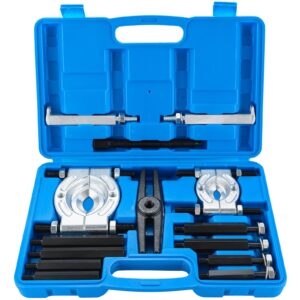
Which Puller Set Should You Buy
Table of Contents Toggle Thinking Through What You Actually Need General-Purpose 2-Jaw and 3-Jaw Sets Hydraulic Puller Sets Specialty Sets for Specific Jobs Evaluating Build Quality Considering Capacity Ratings Balancing…
Read More »